How to keep a shared grocery list clear when several people shop
· Editorial team sacramentonewsdaily7.com
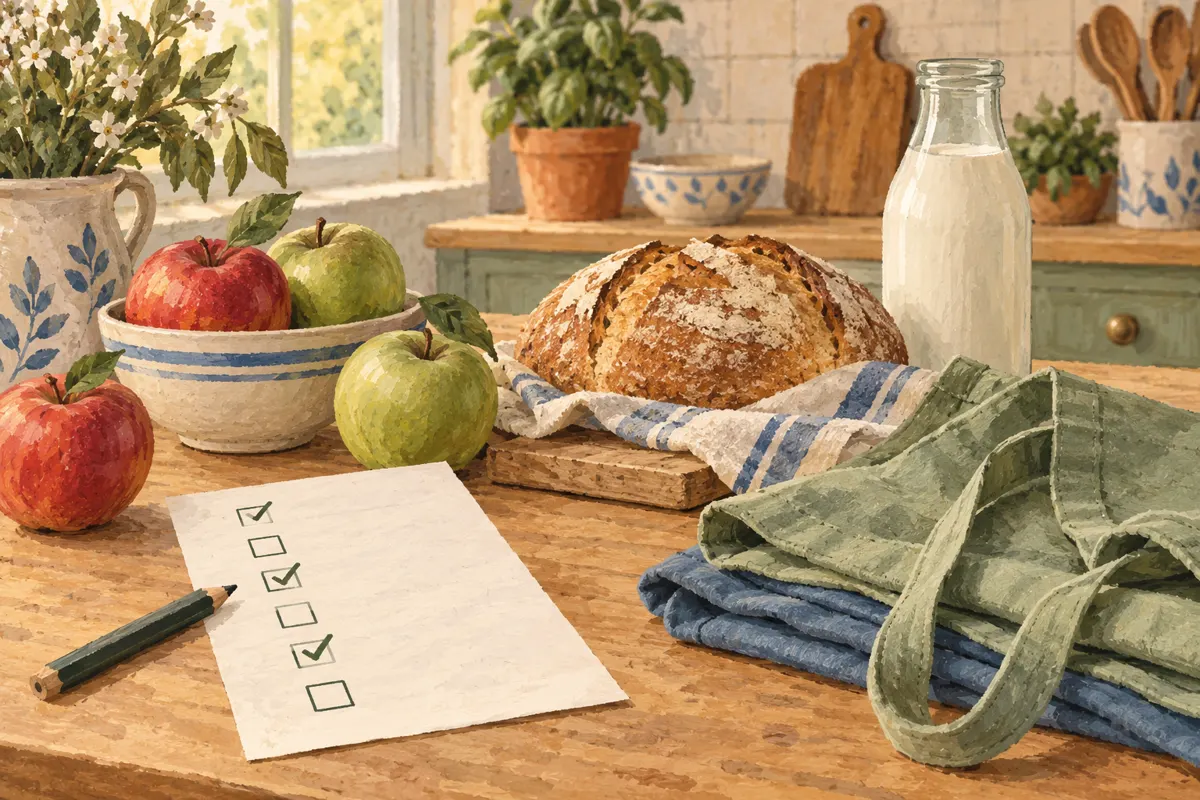
Keep one shared grocery list, give each item a clear name and quantity, and update it as purchases happen. When two people shop separately, agree on who will buy overlapping items before either starts. The proposed household routine below makes it easier to see what is needed, what someone is buying and what has already been bought.
Keep one list everyone can reach
Choose one place for the household’s active grocery list: a shared note, a checklist or a grocery app everyone can access. Shared lists and syncing across devices are features to look for if you use a meal-planning app. Keep the choice practical: everyone needs to be able to open the list and change an entry while shopping.
As a proposed household rule, treat messages and spoken requests as reminders to update that list. If someone texts “please get rice,” add it to the shared list instead of leaving the request buried in the conversation. Avoid maintaining separate active copies, since a checked item on one copy may still look unbought on another.
Write names and quantities that leave little to guess
Use a consistent pattern: item, quantity, then any detail that affects the purchase. “Milk” leaves several questions open; “milk, 1 half-gallon, lactose-free” gives the shopper a usable instruction. These are proposed entry formats, with example quantities to adjust for your household:
- Apples — 6 — any variety.
- Plain yogurt — 1 tub, about 32 ounces — unsweetened.
- Black beans — 2 cans, about 15 ounces each.
- Bread — 1 loaf — whole wheat.
Keep one active entry for each item. Before adding “pasta,” look for an existing pasta entry and increase its quantity if more is needed. Specify a brand, size or variety only when it matters. For a particular dietary requirement, write the requirement directly rather than expecting every shopper to remember it.
Check supplies and group items before shopping
Before a trip, compare the list with what is already in the refrigerator, freezer and cupboards. Write the amount still needed, rather than the full amount a recipe uses. If dinner needs two cans of beans and one is already available, the shopping entry should ask for one can.
A proposed arrangement is to group entries under produce, refrigerated foods, pantry, frozen foods and household supplies. Use whichever categories make the list easiest for your shoppers to scan. Keep essential notes beside the relevant item; a substitution instruction at the bottom of a long list is easy to overlook.
Separate definite purchases from ideas for later. “Maybe ingredients for lasagna” is a planning note, not a clear shopping request. Decide on the meal and quantities before moving those ingredients onto the active list.
Claim purchases when shopping trips overlap
A shared list still needs coordination when two people are shopping at the same time. As a proposed routine, assign items before either person begins. Add a name beside each entry or divide whole categories between shoppers. A claimed item should remain visible until it is actually bought.
- Open the shared list before entering the store and check for recent changes.
- Claim the items or categories you intend to buy.
- Leave items assigned to someone else unless you agree to take them over.
- If you cannot complete the purchase, remove your assignment or tell the other shopper.
If the list is not updating or your connection drops, confirm the division of purchases by message or phone. An older copy cannot show what another person has just claimed or bought.
Use the same bought-item routine every time
Agree on exactly what a check mark means. One proposed convention is to check an item after paying for it, while an assignment shows that someone is handling it. That keeps “I plan to buy this” separate from “this has been purchased.” Follow the same convention on every trip.
- Full purchase: check the entry as bought.
- Partial purchase: change the entry to the quantity still needed.
- Unavailable item: leave it active and add a short note.
- Substitution: record what you bought and check the original request only if the replacement meets it.
After unpacking, briefly reconcile the list with the groceries. Clear completed entries once everyone has finished shopping, remove outdated requests and release any remaining assignments. When a staple runs low again, add a fresh entry with its current quantity rather than automatically restoring an old request.