How to reduce packaging waste when packing lunch
· Editorial team sacramentonewsdaily7.com
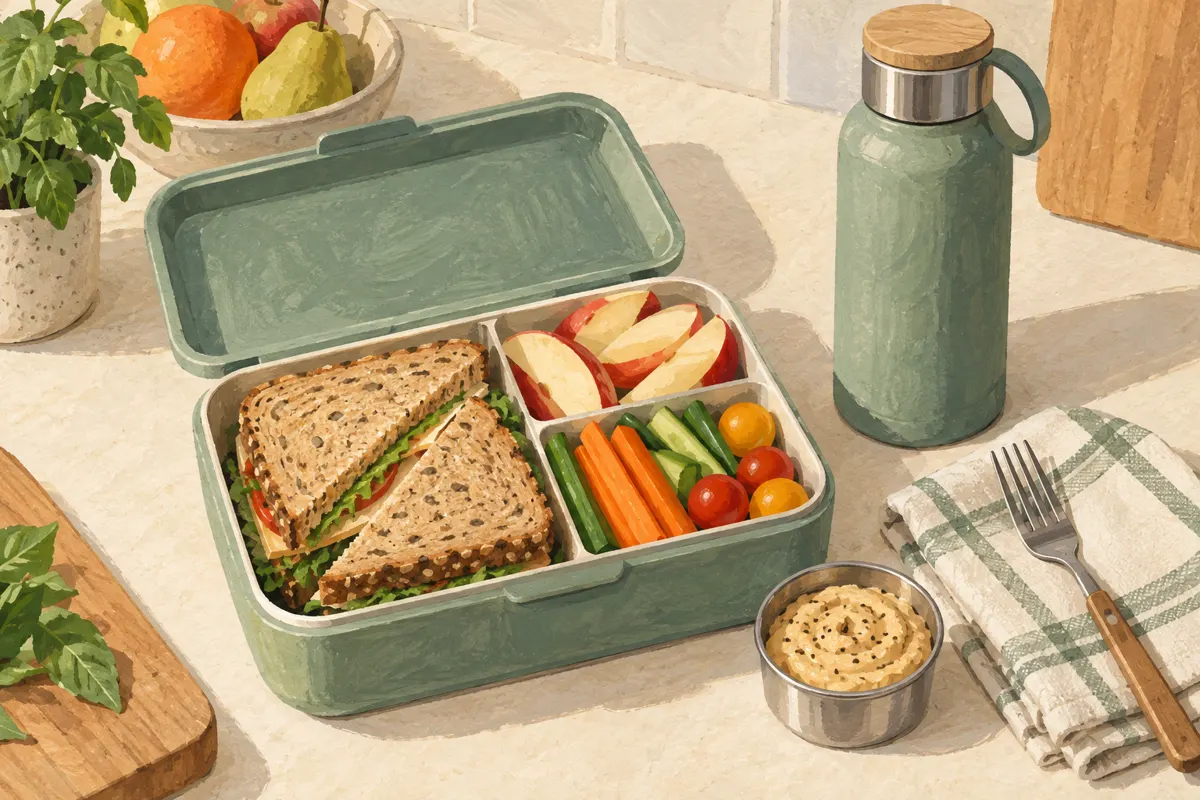
To reduce packaging waste when packing lunch, put food directly into reusable containers, portion snacks from larger packages, and carry a washable napkin, reusable utensils and a refillable water bottle. Start with supplies already at home, then make packing and bringing everything back part of the same daily routine.
Start with the containers you already have
You do not need a matching lunch kit to begin. Look through your food storage containers, bottles and cutlery before buying anything. A container that holds your usual lunch and closes securely can replace disposable sandwich bags or wraps. Keep using suitable reusable containers you already own, including plastic ones.
- Choose a main container large enough for a sandwich, salad or other meal.
- Use a smaller container with a secure lid for dips, dressings or yogurt.
- Add a fork or spoon from your kitchen and a clean cloth napkin.
- Use an existing reusable bottle and a bag that holds everything comfortably.
For children, check that they can open and close each lid themselves. Avoid glass for younger children, and check school rules before sending it with older ones. If something is missing, identify the specific need first: a container for dressing is more useful than another large box that does not solve the problem.
Replace individual packets with portions
Look for the disposable packaging that appears in your lunch most often. Individually wrapped crackers, small yogurt cups and single-serving dips are practical places to start. When it fits your household’s eating habits, take a lunch portion from a larger package instead. This still leaves packaging at home, but avoids sending a separate wrapper or cup with every portion.
- Spoon yogurt or applesauce into a securely lidded container.
- Put crackers or granola into a small box or washable snack bag.
- Pack hummus or dressing in a separate container rather than a disposable cup.
- Carry fruit whole when convenient, or put cut fruit directly into a food container.
Our proposal is to change one frequently packed item first. If yogurt is a daily lunch staple, start there and keep the rest of the lunch familiar. Choose package sizes you can finish rather than buying a larger quantity simply because it offers more portions.
Choose meals that fit your packing setup
A sandwich can go straight into a container without an extra layer of foil or plastic wrap. Other options include pasta salad, vegetables with hummus, a wrap, or yogurt with fruit and granola. Plan around foods you enjoy and containers you can carry easily, rather than making every lunch a new cooking project.
Separate components when it helps preserve the texture you want: keep granola apart from yogurt and dressing apart from salad. Use securely sealed containers for wet foods instead of relying on an outer disposable bag to catch leaks. Keep any cooling arrangements your lunch needs; reducing packaging should not mean dropping them.
Our proposed starter rotation is a sandwich with fruit, pasta salad with dressing packed separately, and vegetables with hummus and crackers. Adjust it to your appetite and dietary needs. A short rotation gives you a clear shopping list without requiring an elaborate weekly menu.
Make packing a short, repeatable routine
Planning a few lunches and preparing some components ahead can reduce the morning rush that makes individually packaged foods tempting. Keep lunch containers, lids, utensils and napkins together so you can find the whole kit quickly.
- Choose the next lunch and check that its containers are clean.
- Prepare suitable components ahead, such as dressing or vegetables.
- Portion the meal and snacks directly into their containers.
- Add the utensils and cloth napkin, then fill the water bottle.
- Check that lids are secure and everything fits in the carrying bag.
Bring the kit home and reset it
The return trip is part of reusable lunch packing. Bring back containers, lids, utensils and the napkin, including empty containers that might otherwise be left behind. Food scraps can also travel home in an empty container if you have a suitable composting option.
Our proposed reset is simple: unpack the bag when you get home, empty the containers, wash items according to their care instructions, and put the napkin in the laundry. Return clean, dry pieces to the packing spot. Keep enough clean napkins for your laundry schedule, and adjust portions if food repeatedly comes back uneaten.